Is Metal Siding Noisy, or Is the Wall Assembly to Blame?
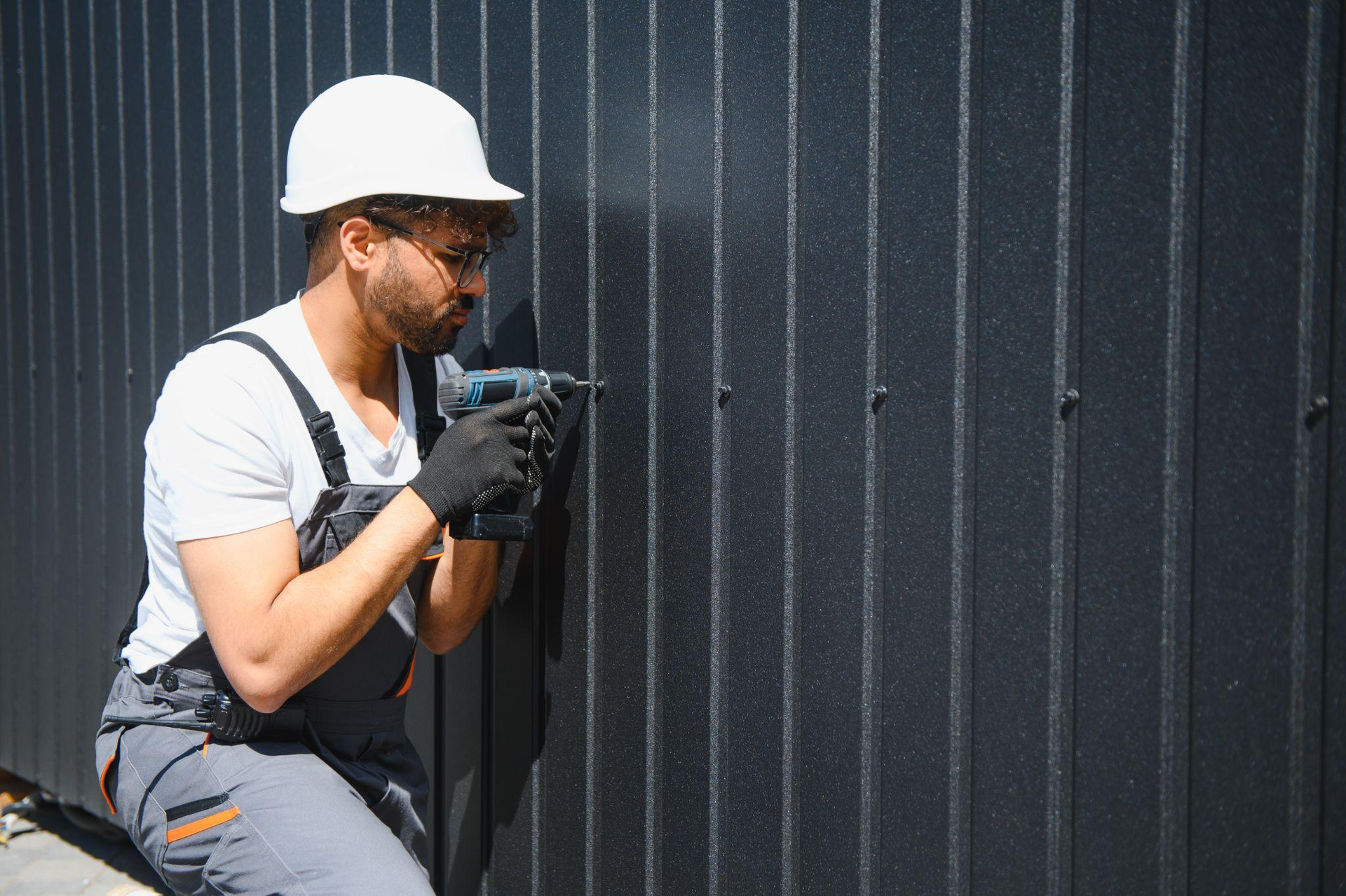
Metal siding isn’t automatically noisy indoors; as your metal siding contractor in Red Lion, we consider wall layers, panel attachment, building type, and the likely sound source.
You may love the look and strength of metal siding, yet still picture every Pennsylvania downpour drumming through your rooms. Spending thousands on a new exterior can feel risky if nobody explains the ticking, tapping, or rattling you might hear, or which parts of the building actually shape that sound.
Let’s sort those sounds by cause, look behind the panels, compare homes with pole barns, separate wall noise from roof noise, and prepare better questions before you order your materials.
What Kind of Noise Are You Hearing?
Listen for three distinct patterns:
- Rain impact: Steady drumming during rain or hail
- Expansion ticks: Brief pops as panels warm or cool
- Panel rattling: Repeated movement in windy conditions
Timing and weather offer clues, but location matters too. Notice whether the sound comes from a wall, ceiling, corner, or trim. That simple observation can narrow the investigation without treating every unfamiliar noise as proof your siding caused it.
The Quietest Parts Sit Behind the Panel
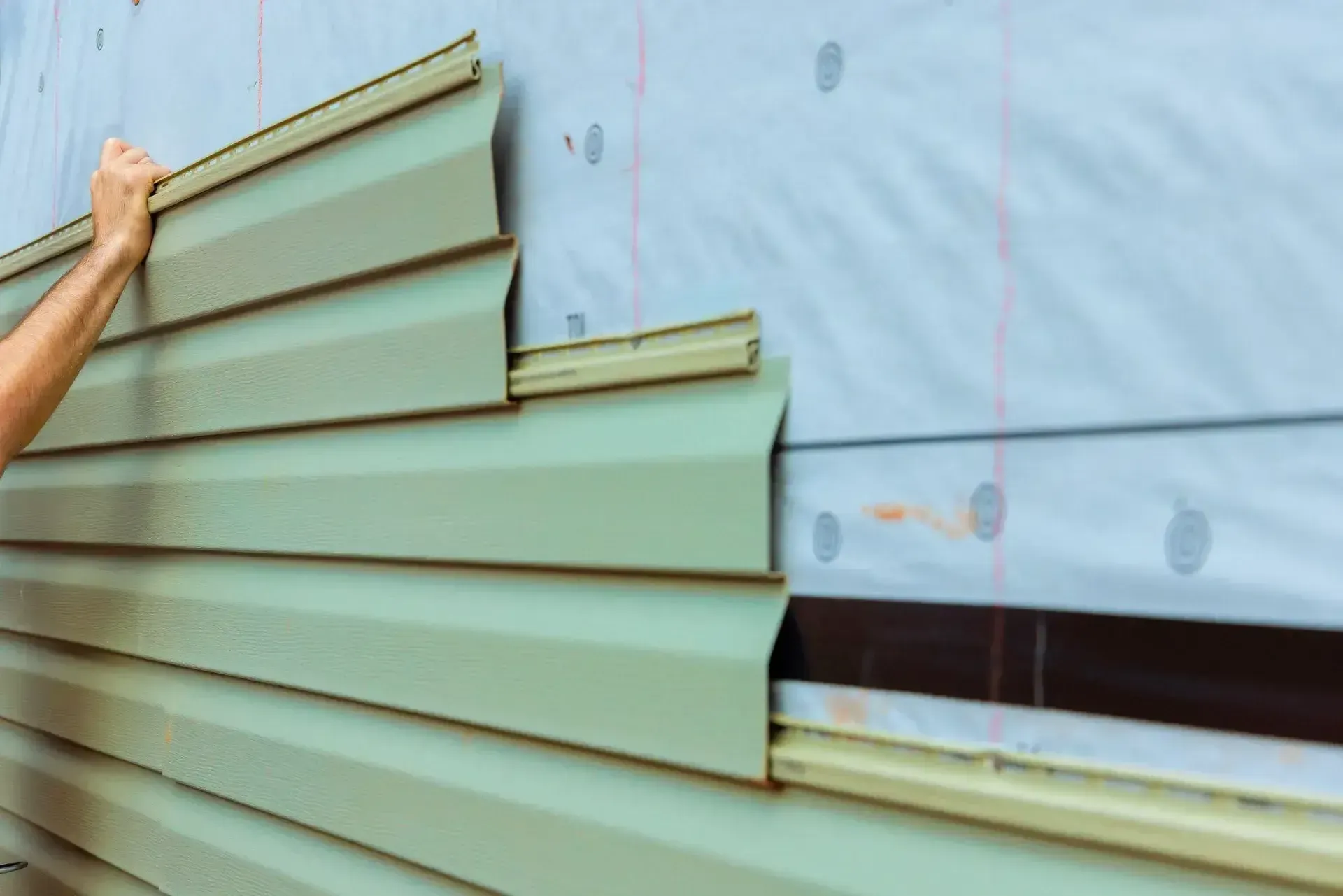
Exterior metal forms the visible face of a finished wall. Sound can travel through—or soften across—the panel profile, attachment system, sheathing, insulated cavities, framing, air spaces, and interior drywall.
In our work as a metal siding contractor in Red Lion, we discuss those layers instead of describing the panel alone. A finished home may sound different from an open or lightly insulated pole barn.
Larger spaces and fewer sound-softening materials can make impact or vibration easier to hear, so one building isn’t a preview of another.
Small Movements Produce Different Noises
Metal naturally expands and contracts as temperatures change. Panel profile, fastener placement, support spacing, trim details, and installation tolerances all influence how that movement sounds.
A brief tick now and then isn’t the same as persistent rattling during wind, which deserves a closer look.
Please don’t tighten visible fasteners or bend trim on your own. A quick fix could restrict intended movement, scratch the finish, or disturb a detail designed around the manufacturer’s installation requirements.
Your Ears May Point at the Wrong Surface
Rain hits a roof more directly than a wall, and impact can travel through framing, the attic, or the ceiling. Sound beside your siding may actually begin overhead.
In our work as a
roofing company in Red Lion, we examine the covering, decking, underlayment, attachment, attic insulation, and ceiling assembly. The
Metal Roofing Alliance explains roof noise depends on the layered assembly and installation, not metal alone.
Notice whether the sound feels overhead before assuming your siding caused it.
Ask for a Sound Plan, Not a Silence Guarantee
Keep these questions handy:
- Which layers sit behind the metal?
- How will panels and trim accommodate movement?
- Is this a finished home, workshop, or pole barn?
- Could the roof or attic shape indoor sound?
- Which rattles warrant a post-installation inspection?
We also bring the perspective of a roofing company in Red Lion, separating roof-related sound control from the siding scope. You deserve an honest explanation of the assembly—not a promise of silence in every weather condition.
Bring Your Sound Concerns Into the Estimate
New Park Builders LLC is a family-owned, licensed, and insured team with more than 15 years of construction experience. We handle metal siding, roofing, pole barns, and exterior remodeling for homes and businesses within roughly 50 miles of New Park.
Share the building type, wall and roof construction, noises, material ideas, budget, and timeline with our metal siding contractor in Red Lion.
Ask about
financing, then
request a free estimate at
717-318-3068. We’ll help you plan with clearer expectations.