Are New Soffits Restricting Your Attic’s Intake Air?
New soffits can restrict attic intake if the openings behind them stay blocked, so a siding contractor in York County should verify airflow before closing the eaves.
Fresh siding, crisp trim, and perforated soffits can make your home feel renewed and ready for the seasons ahead. Yet months later, trapped heat or dampness may reveal a hidden gap: those vents could sit over solid wood, compressed insulation, or rafter bays with no open passage into the attic.
We’ll trace the route air should follow, uncover common blockages, connect intake with roof exhaust, review warning signs, and identify the checks worth completing before your exterior project wraps up.
Perforations Are Only the Front Door
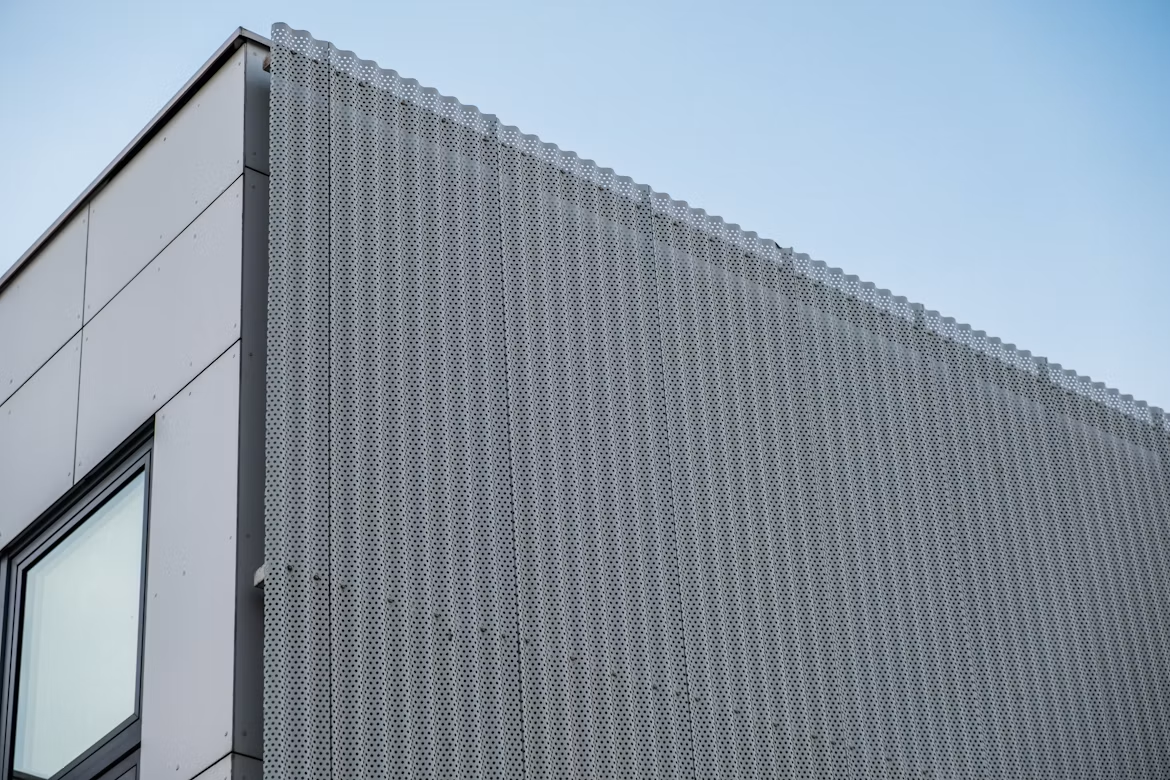
Picture a perforated soffit panel as the entrance for outdoor air. It works only if the route beyond stays open through the soffit, rafter bay, baffle, and into the attic. Visible holes alone don’t confirm enough airflow; the product’s net-free vent area also matters.
Enclosed wood soffits may need correctly positioned openings behind the panels. This principle applies to vented attics. Sealed or unvented roof assemblies rely on a different design and shouldn’t be altered casually.
Follow the Air Above the Finished Panel
Every step needs a connection. Solid backing, misaligned cuts, insulation packed into the eaves, damaged baffles, screening, paint, debris, or nesting material can narrow or stop the passage.
Soffit face → underlying opening → rafter bay → baffle → attic
A siding contractor in York County should inspect beyond the new panel and confirm that air can reach usable channels. You don’t need to crawl into a cramped eave yourself; photographs taken during installation can preserve a useful record before the finished surface hides those conditions.
Roof Exhaust Can’t Work Alone
In a vented attic, lower soffit openings bring outdoor air in while ridge, roof, or gable vents let air escape up. Our roofing company in York County can review both sides against the attic design because a larger exhaust vent won’t clear a restricted intake path.
ENERGY STAR also cautions that an attic fan paired with blocked soffit vents may pull conditioned air from your living space. The right balance should follow applicable codes, roof design, and manufacturer requirements rather than a universal ratio.
Let the Attic Provide Clues Over a Premature Verdict
You don’t need to diagnose the attic yourself. Simply note what you can see or smell:
- Frost or recurring dampness in cold weather
- Rusty nail tips
- Musty odors
- Condensation on roof decking
- An unusually hot attic
- Insulation pressed against eaves
- Missing or gapped baffles
One sign can’t prove the new soffits caused it. Household air leakage, inadequate insulation, bathroom exhaust, roof leaks, duct problems, or the attic’s original design may also contribute, so a professional should investigate the full picture.
Check the Route Before the Eaves Close
Before everything gets covered, confirm:
- Are openings present beneath the panels?
- Do they align with ventilated areas?
- Are baffles open and continuous?
- Does insulation stay clear of intake?
- What net-free vent area is provided?
- Which roof vents handle exhaust?
- Do bathroom and dryer vents terminate outdoors?
- Were photographs taken before closure?
A
roofing company in York County can review upper vents while the siding team confirms the eave-side airflow path and exterior finish.
Finish the Exterior Without Closing Off the Attic
New Park Builders LLC brings more than 15 years of construction experience to roofing, siding, soffit, fascia, gutters, and exterior remodeling. Our family-owned, licensed, and insured team provides clear estimates and dependable communication for homes and businesses within roughly 50 miles of New Park, including York, Lancaster, Adams, and Harford counties.
Share recent exterior work, attic ventilation, insulation concerns, or heat and moisture clues with our siding contractor in York County. Ask about
financing options, then
request your free estimate at
717-318-3068.